
What Buyers, Investors, and Landowners Need to Know in 2026
When buyers picture rural life in Southern Oregon, they often imagine vineyards, irrigated pasture, orchards, or a self-sufficient homestead. While the land itself is important, water access is often the single most valuable component of a rural property.
In Josephine County, Jackson County, and throughout the Illinois and Rogue River basins, dry summers make water planning essential. Whether a property includes established water rights—or relies on exempt use rules—water directly impacts land value, permitted uses, resale demand, and long-term viability.
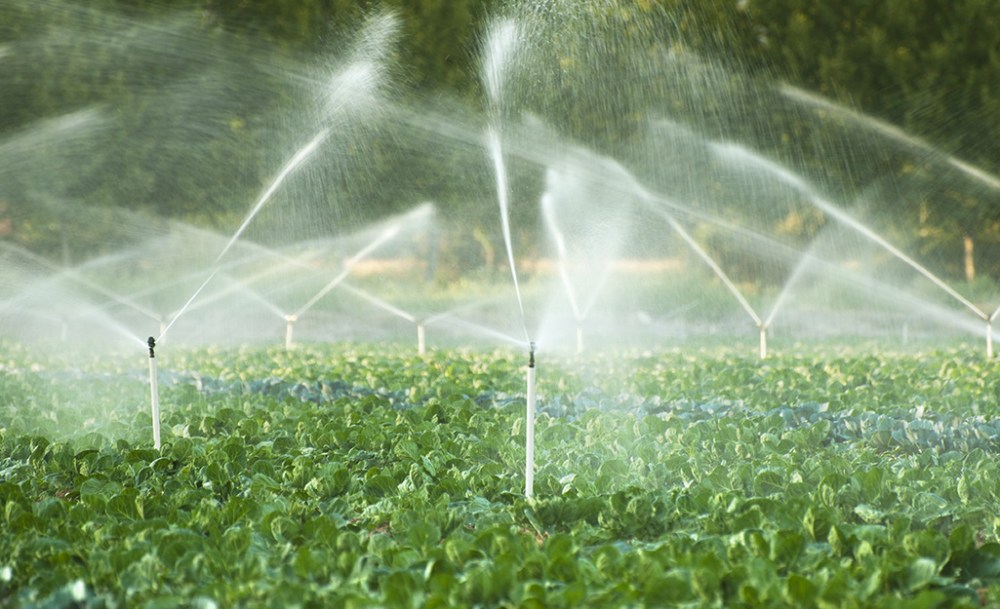
Understanding Oregon Water Law
In Oregon, all water is publicly owned, even when it flows across or beneath private land. Property owners do not automatically own water by virtue of land ownership. Instead, the right to use water is regulated and issued by the Oregon Water Resources Department (OWRD).
A formal water right is typically required for:
- Irrigation
- Commercial agriculture
- Vineyard or orchard use
- Large-scale landscape watering
- Water storage or diversion
Water rights are granted through permits and certificates and are tied to specific land, sources, and uses.
🔗 OWRD Water Rights Overview:
https://www.oregon.gov/owrd
“First in Time, First in Right”

Oregon operates under a prior appropriation system, meaning older water rights take precedence during shortages.
- Senior water rights (older priority dates) are more secure
- Junior rights may be curtailed during drought years
- Priority date can be just as important as acreage
In drought conditions, senior rights may receive full allocation while junior rights receive none—a major consideration for agricultural investors and land buyers.
🔗 OWRD Aquabook – Oregon Water Law Explained:
https://www.oregon.gov/owrd/WRDPublications1/aquabook.pdf
Why Water Rights Drive Rural Property Value
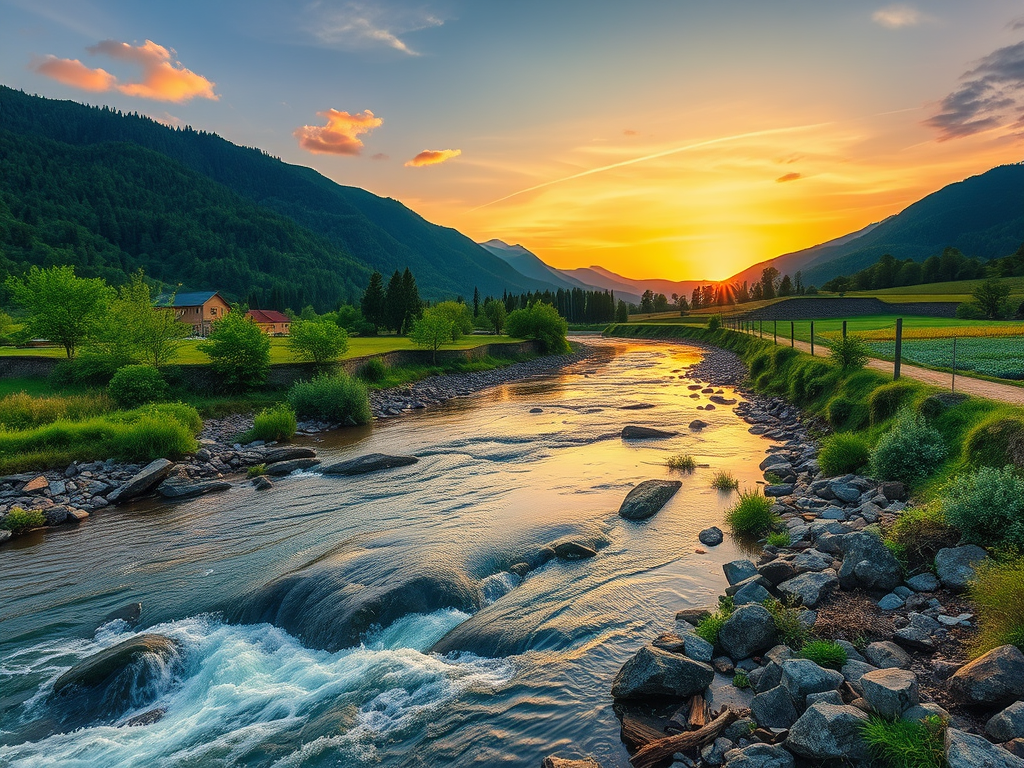
In Southern Oregon, water rights often separate premium land from limited-use land.
Properties with documented irrigation rights:
- Command higher sale prices
- Sell faster
- Support income-producing uses
- Attract a broader buyer pool
For vineyards, orchards, market farms, and irrigated pasture, water rights are a hard asset, not an amenity.
At Rooted Estate, we consistently see water rights determine:
- Whether a property qualifies for agricultural financing
- Whether buyers move forward or walk away
- Whether land is viewed as a lifestyle purchase or an investment asset
The “Use It or Lose It” Rule
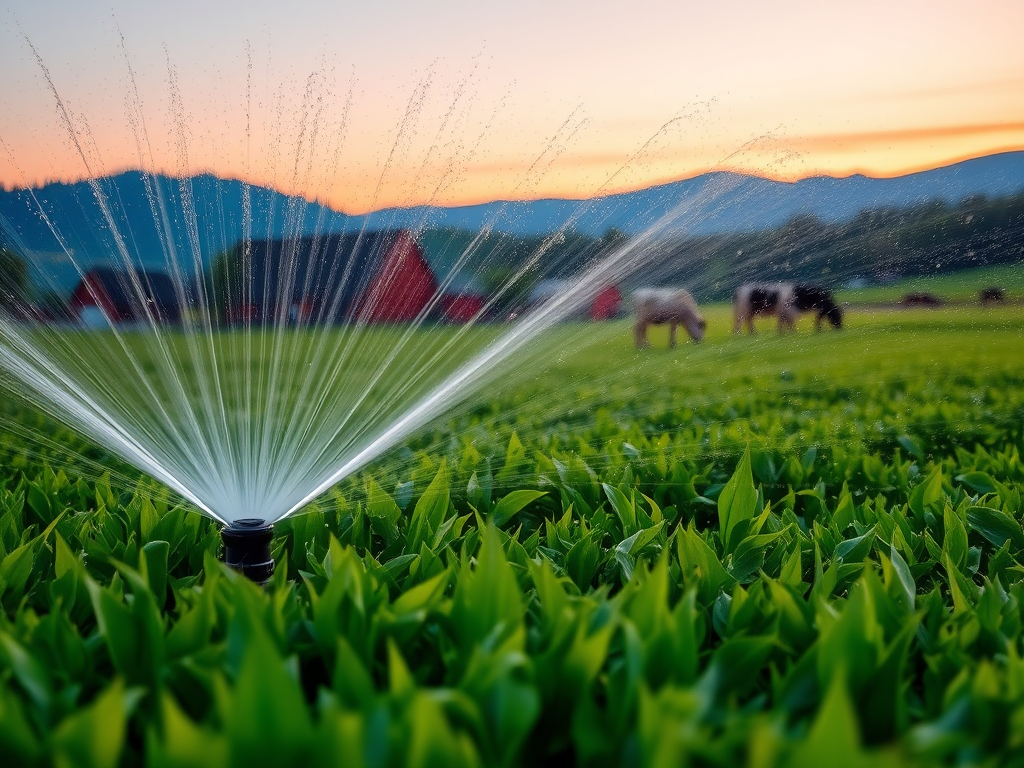
Oregon water rights are subject to beneficial use requirements. If a water right is not used for five consecutive years, it may be forfeited.
This makes verification critical:
- Sellers should maintain records of use
- Buyers should never assume rights are valid
- Rights listed on MLS still require confirmation
🔗 Well Report Query
https://apps.wrd.state.or.us/apps/gw/well_log/Default.aspx
🔗 Oregon Water Resources Department
Water Rights Mapping Tool
https://apps.wrd.state.or.us/apps/gis/wr/Default.aspx
NEW IN 2026: Expanded Water Use Allowances Without Water Rights
Effective January 1, 2026
A common misconception is that land without water rights has no productive use. That’s not entirely true—and recent law changes help clarify this.
As of January 1, 2026, Oregon clarified and expanded certain exempt water uses—uses that do not require a formal water right permit when kept within statutory limits.
What Changed
Under updates to Oregon water statutes passed during the 2025 legislative session:
- Non-commercial irrigation allowances were clarified and expanded under exempt well provisions
- Rural property owners without water rights may now legally irrigate small gardens or limited crop areas, provided:
- The use is non-commercial
- The irrigation remains within exempt limits
- The water source qualifies under exempt use statutes
This provides more flexibility for:
- Homestead gardens
- Small-scale food production
- Lifestyle acreage owners
🔗 ORS 537.141 – Exempt Water Uses:
https://oregon.public.law/statutes/ors_537.141
🔗 Oregon Water Law Legislative Recap (2025):
https://www.schwabe.com/publication/2025-oregon-water-law-legislative-recap/
What You Can (and Cannot) Do Without Water Rights

Allowed Uses (Within Exempt Limits)
- Domestic household water via well
- Small garden irrigation (non-commercial)
- Livestock watering (case-specific—verify locally)
- Recreational, timber, or residential use
Not Allowed Without a Water Right
- Vineyard or orchard irrigation
- Commercial agriculture
- Large-scale pasture irrigation
- Water storage or diversion for production
Important: These exemptions do not replace irrigation rights for agricultural or income-producing land. They simply allow modest use without triggering the full permitting process.
Due Diligence for Rural Buyers
Before purchasing rural land in Southern Oregon, buyers should:
- Confirm whether a water right exists
- Verify priority date, source, and acreage
- Confirm recent beneficial use
- Understand basin-specific restrictions
- Consult professionals experienced in rural property transactions
For development questions, zoning and land-use approvals should always be confirmed with Josephine County Planning.
🔗 Josephine County Planning Department:
https://www.josephinecounty.gov
Why This Matters for Investors
Water access directly affects:
- Agricultural potential
- Financing options
- Resale demand
- Long-term land appreciation
In Southern Oregon, land with water rights and land without water rights are fundamentally different asset classes. Understanding that distinction is essential for smart investing.
Final Thoughts
Southern Oregon’s rural beauty draws people in—but water determines what the land can become.
Whether you’re evaluating acreage for lifestyle living, agricultural use, or long-term investment, understanding water rights—and the new 2026 exempt-use rules—helps you make informed decisions and avoid costly assumptions.
At Rooted Estate, we specialize in helping buyers navigate water, zoning, and rural property value with clarity and confidence.
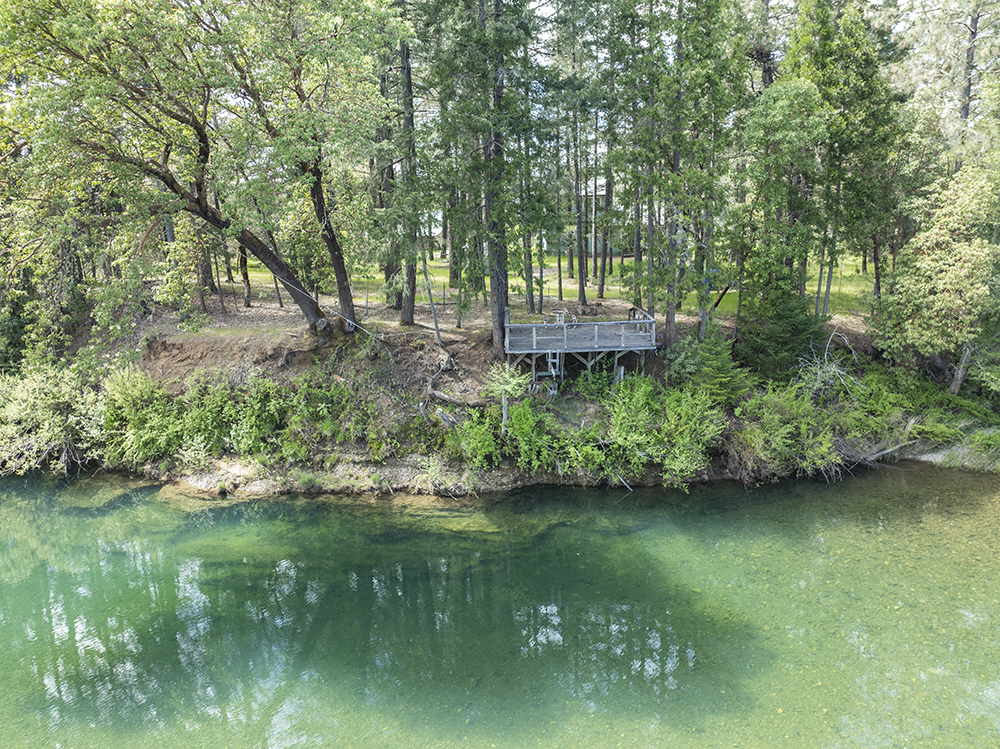
Buyers evaluating rural properties with water access may also want to review current listings like 151 Patton Bar Road in Cave Junction, where water rights, acreage, and river frontage combine into a single investment opportunity.
Rooted in Nature. Grounded in Service.


Thinking about selling in 2026?
Let’s craft a strategy tailored to your goals.
Sign up for our newsletter- learn about local market trends & featured properties


 Shauna Mayfield
2 Comments Add yours